
- For sale
-
Gallery
-
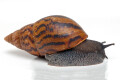 Achatinidae
-
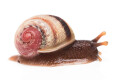 Acavidae
-
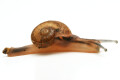 Ariophantidae
-
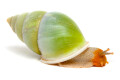 Camaenidae
-
 Clausiliidae
-
 Discidae
-
 Dyakiidae
-
 Helicidae
-
 Chronidae
-
 Pomatiidae
-
 Pupinidae
-
 Streptaxidae
-
 Subulinidae
-
 Veronicellidae
-
 Cambalopsidae
-
 Harpagophoridae
-
 Oxydesmidae
-
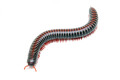 Pachybolidae
-
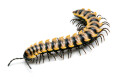 Paradoxosomatidae
-
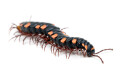 Polydesmidae
-
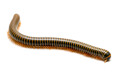 Pseudospirobolellidae
-
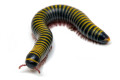 Rhinocricidae
-
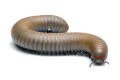 Spirobolidae
-
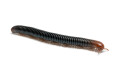 Spirostreptidae
-
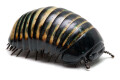 Zephroniidae
-
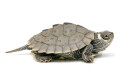 Emydidae
-
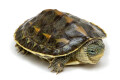 Geoemydidae
-
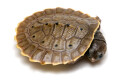 Chelidae
-
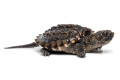 Chelydridae
-
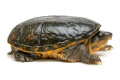 Kinosternidae
-
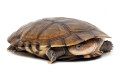 Pelomedusidae
-
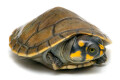 Podocnemididae
-
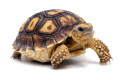 Testudinidae
-
 Agamidae
-
 Diplodactylidae
-
 Gekkonidae
-
 Iguanidae
-
Mabuyidae
-
 Scincidae
-
 Xantusiidae
-
 Scarabaeidae
-
 Boidae
-
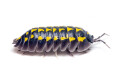 Armadillidiidae
-
 Porcellionidae
-
 Blaberidae
-
Ectobiidae
-
Salticidae
-
Theraphosidae
-
 Gryllidae
-
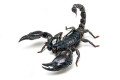 Scorpionidae
-
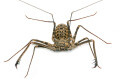 Phrynichidae
-
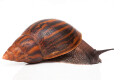


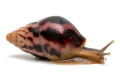
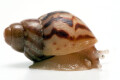
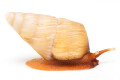
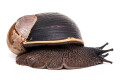
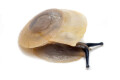
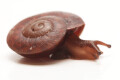
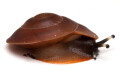
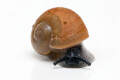
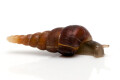
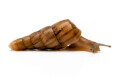
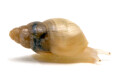
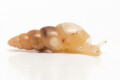
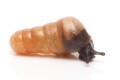
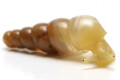
Pseudachatina
Subcategories:
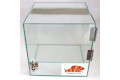
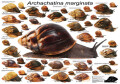
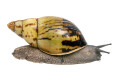
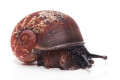
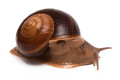
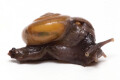
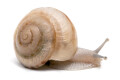
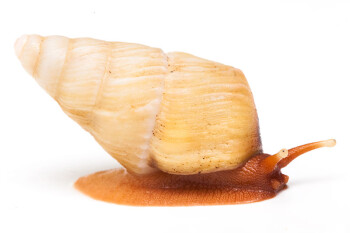
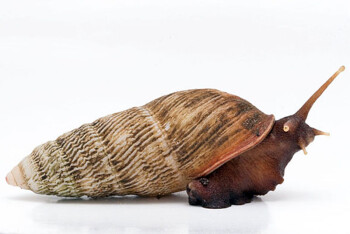
The Pseudachatina family contains medium-sized snails with a distinctly elongated shell. Species of this genus are strictly arboreal and it is better to offer them the opportunity to climb and therefore use a taller box or terrarium. Food is better presented to them in branches. They prefer a variety of salads in their diet, but will also accept other vegetables or fruits, or mushrooms. Rearing most species is problematic even if you get the captive bred young. Imported snails are usually problematic and do not survive in captivity for long periods of time. Eggs are always hard, calcareous, medium-sized and number several dozen per clutch. The clutch is usually not buried. Temperatures and humidity are maintained similar to other genera of this family. It is a good idea to dew the snails before each feeding.
© 2026 Tomáš Protiva - Landsnails.org. All rights reserved.